
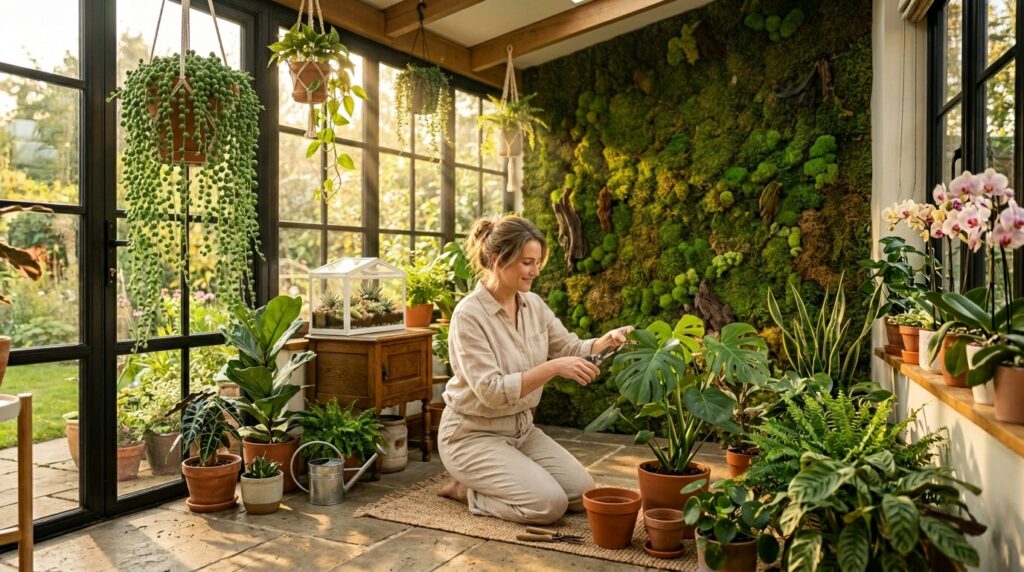

Bringing nature indoors has never been more stylish or beneficial for your well-being. Whether you’re a seasoned plant parent or just beginning your green journey, these 10 unique home plant ideas will transform your living space into a lush, tranquil oasis. From dramatic statement pieces to low-maintenance beauties, discover how to incorporate these extraordinary plants into your home.
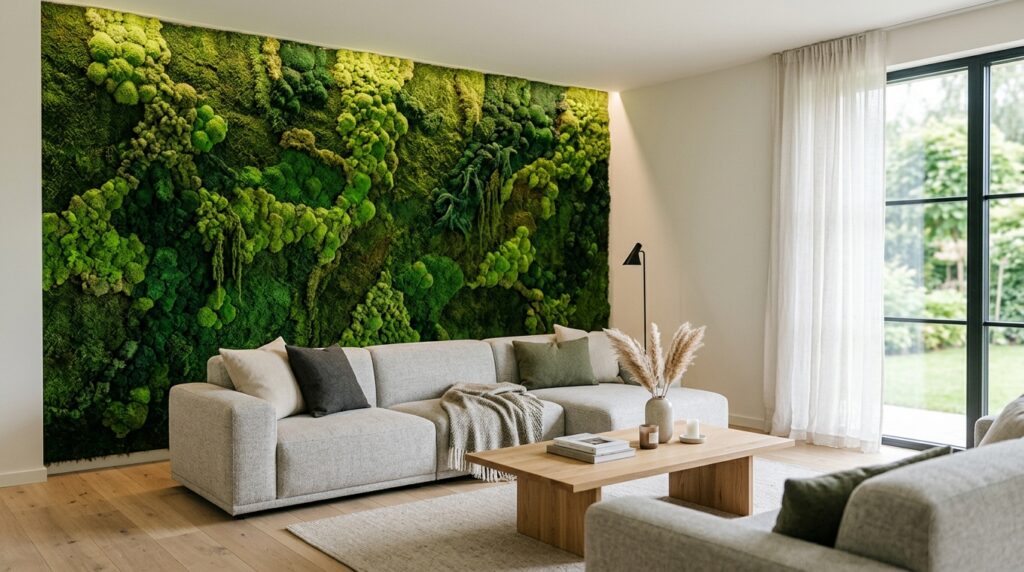
1. Living Moss Wall Art Installation
Transform a bare wall into a breathtaking piece of living art with a preserved moss installation. Unlike traditional paintings, moss wall art brings texture, depth, and a connection to nature that’s both sophisticated and calming. Preserved moss requires zero maintenance—no watering, no sunlight—making it perfect for any room in your home.
Why It’s Special: Moss walls act as natural sound absorbers, reducing echo and creating a more peaceful environment. They’re available in various colors including vibrant greens, earthy browns, and even dyed hues for a custom look. You can create geometric patterns, your company logo, or free-form organic designs.
Best Placement: Living rooms, home offices, bedrooms, or hallways. Particularly stunning as a focal point behind a sofa or bed.
Care Level: Extremely low. Preserved moss needs only occasional dusting and protection from direct sunlight to maintain its color.
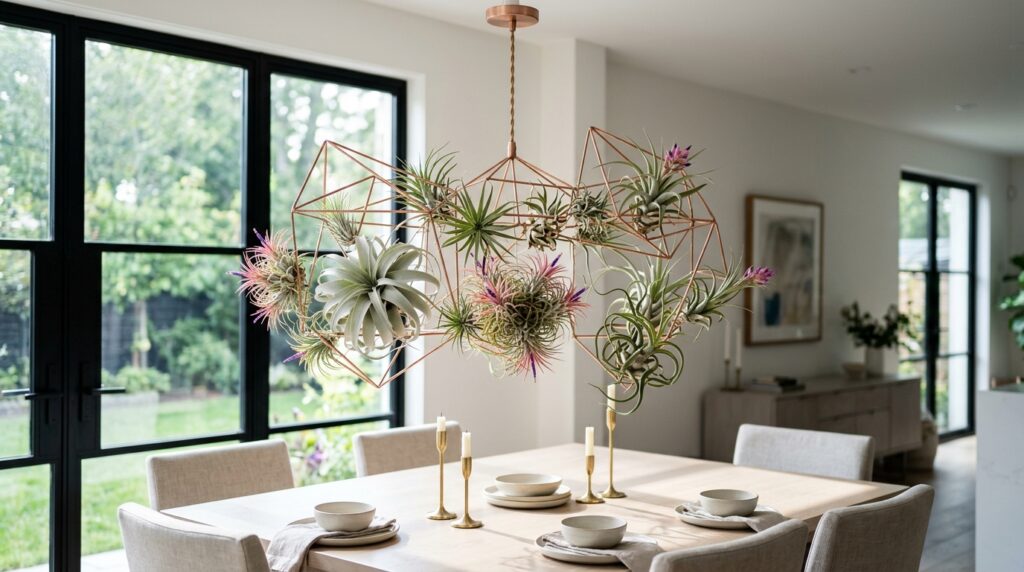
2. Tillandsia Air Plant Chandelier
Create a stunning suspended garden with air plants (Tillandsia) arranged in a geometric metal frame or driftwood structure. These rootless wonders absorb nutrients and moisture through their leaves, requiring no soil whatsoever. A chandelier-style arrangement turns these humble plants into a conversation-starting centerpiece.
Why It’s Special: Air plants come in over 650 varieties, ranging from silvery-white to deep green, with blooms in pink, purple, red, and yellow. They’re incredibly versatile—attach them to anything from shells to crystals to vintage frames. Their alien-like appearance adds an artistic, sculptural quality to any space.
Best Placement: Above dining tables, in bathrooms where humidity helps them thrive, or in well-lit entryways.
Care Level: Low. Mist 2-3 times per week or soak for 30 minutes weekly. They need bright, indirect light and good air circulation.
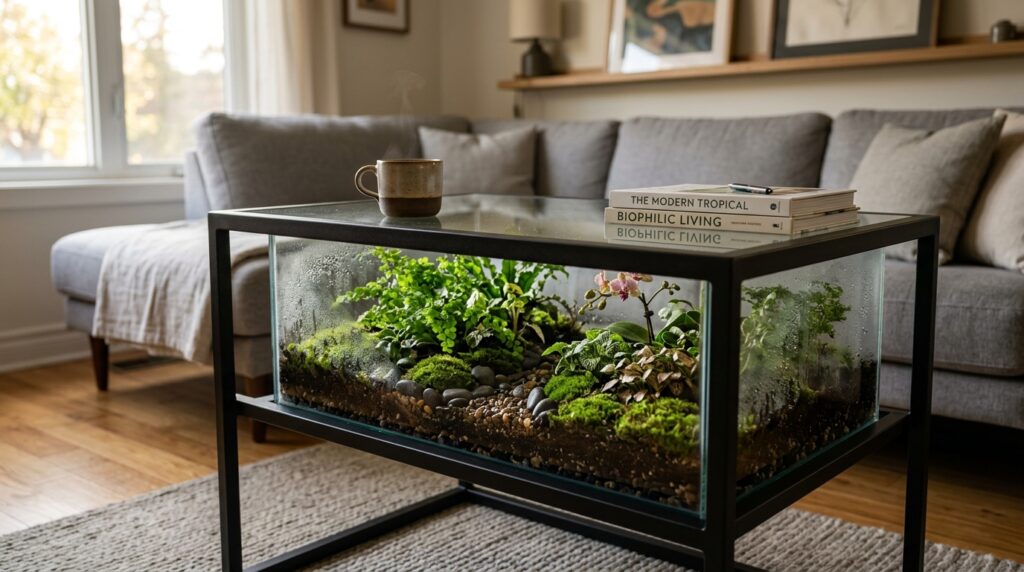
3. Terrarium Coffee Table Ecosystem
Imagine a living, breathing ecosystem contained within your coffee table. Custom coffee tables with built-in glass terrariums create a mesmerizing focal point that guests won’t be able to stop admiring. Fill it with tropical plants, succulents, or even carnivorous plants for an exotic touch.
Why It’s Special: A terrarium coffee table is functional art that brings the outdoors in without sacrificing floor space. The enclosed environment creates a self-sustaining mini-ecosystem that requires minimal intervention. Watch tiny ferns unfurl, moss spread slowly, and the entire landscape evolve over time.
Best Placement: Living rooms as the main coffee table, sunrooms, or modern office spaces.
Care Level: Low to medium. Once established, terrariums need watering only every 2-3 weeks. Open terrariums require more frequent watering than closed ones.
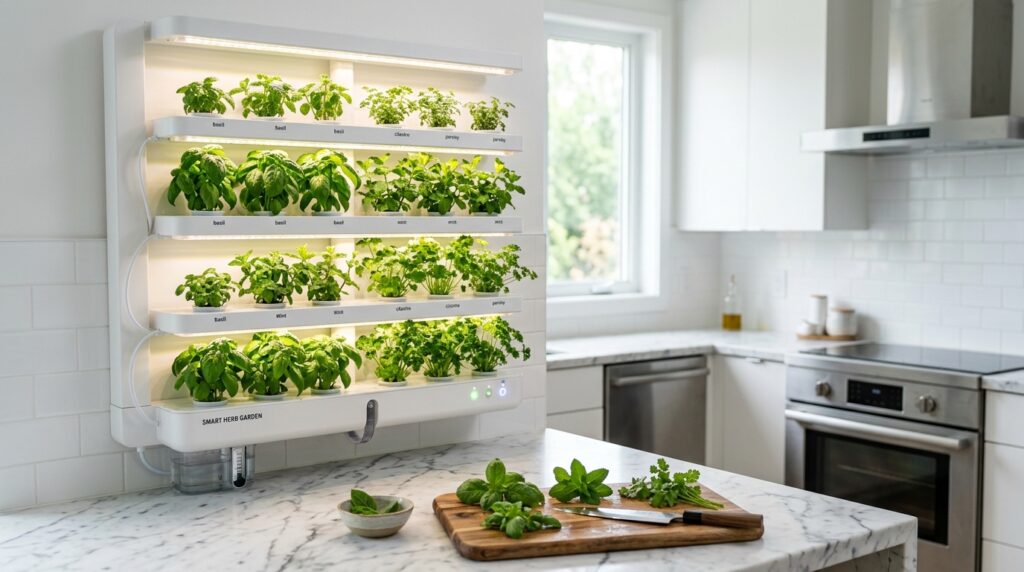
4. Vertical Hydroponic Herb Garden
Take your kitchen game to the next level with a sleek vertical hydroponic system that grows fresh herbs year-round. These modern systems use water and nutrients instead of soil, growing plants faster and cleaner while adding a futuristic aesthetic to your kitchen.
Why It’s Special: Harvest fresh basil, mint, cilantro, and more steps from your stove. Hydroponic systems are incredibly efficient, using 90% less water than traditional gardening. Many come with LED grow lights built in, ensuring your herbs thrive even in kitchens with limited natural light. The vertical design saves counter space while maximizing growing capacity.
Best Placement: Kitchen walls, near cooking areas, or in pantries. Some models are freestanding and portable.
Care Level: Low. Most systems have automated watering and lighting. Simply refill the reservoir and add nutrients monthly.
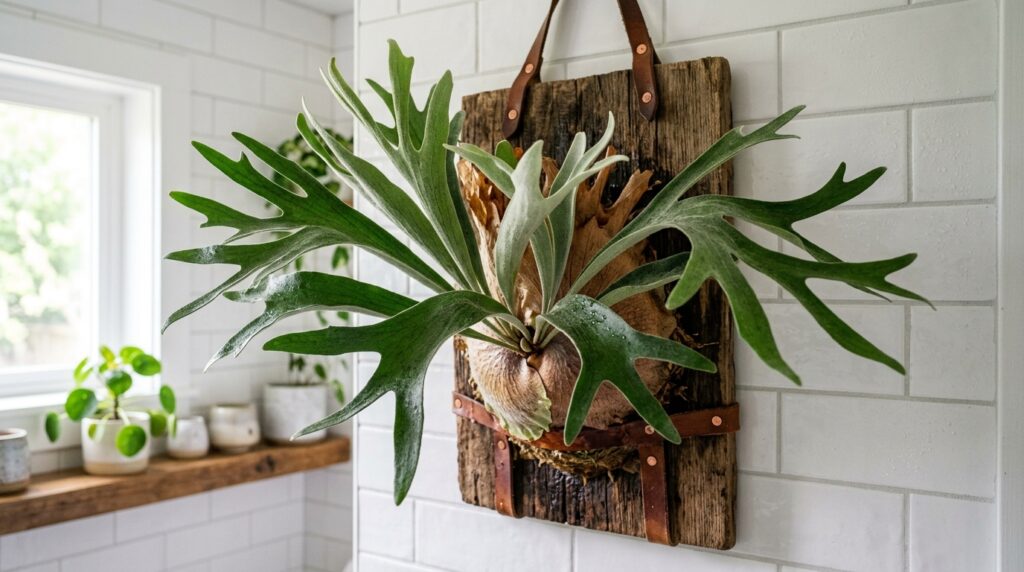
5. Staghorn Fern Wall Mount
Mount a dramatic staghorn fern (Platycerium) on a piece of wood or cork to create a living sculpture. These prehistoric-looking epiphytes grow naturally on trees in the wild and develop stunning antler-shaped fronds that can span several feet.
Why It’s Special: Staghorn ferns are showstoppers with their unique growth pattern—shield fronds that hug the mounting surface and antler fronds that project outward. As they mature, they develop a silvery-white coating that gives them an ethereal quality. They’re conversation pieces that add instant character to any wall.
Best Placement: Bright bathrooms, covered patios, living rooms with indirect light, or gallery walls mixed with traditional art.
Care Level: Medium. Water weekly by soaking the mount or misting thoroughly. They prefer humidity and indirect light.
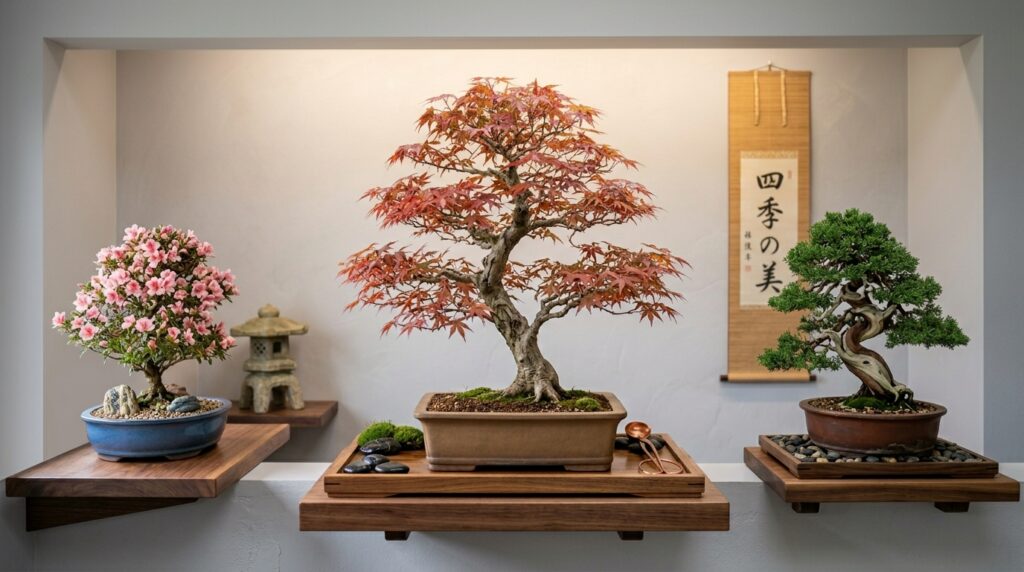
6. Bonsai Tree Display Shelf
Create a dedicated bonsai display with proper lighting and humidity trays to showcase these ancient miniature trees. Bonsai cultivation is a meditative art form that brings centuries-old tradition into modern homes.
Why It’s Special: Each bonsai is a unique work of living art, shaped over years or even decades. The practice of caring for bonsai promotes mindfulness and patience. From flowering varieties like azaleas to classic junipers and elegant Japanese maples, there’s a bonsai style for every aesthetic preference.
Best Placement: Near east or west-facing windows, on dedicated display shelves, or as a focal point on a side table. Some varieties can thrive outdoors on balconies.
Care Level: Medium to high. Requires regular pruning, wiring, and careful watering. Each species has specific care requirements.
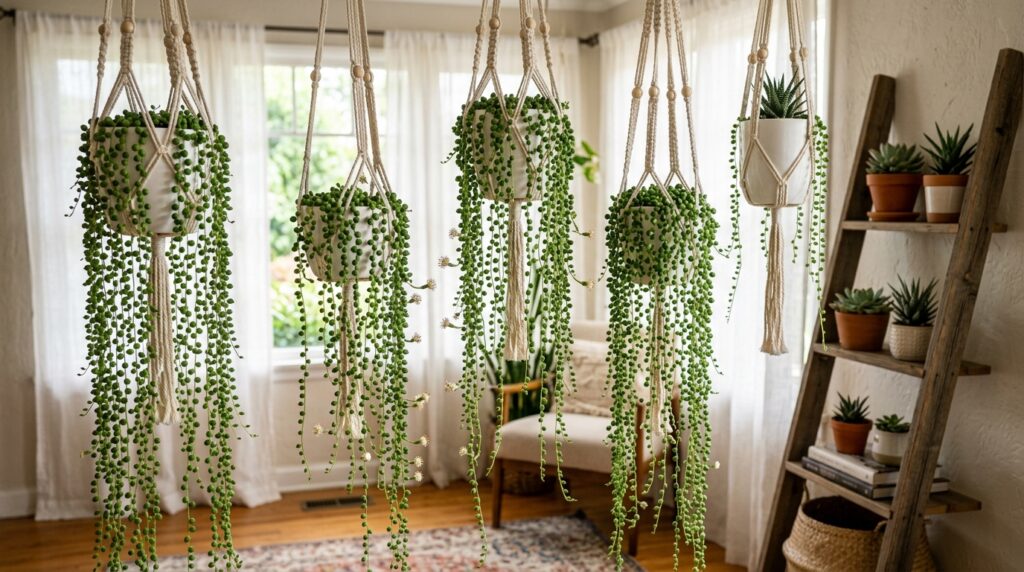
7. Hanging String of Pearls Cascade
Let strings of pearls (Senecio rowleyanus) cascade from hanging planters or high shelves, creating living curtains of perfectly round, bead-like leaves. This succulent’s unusual appearance makes it one of the most Instagram-worthy plants available.
Why It’s Special: The pearl-like leaves aren’t just decorative—they’re water storage organs that help the plant survive drought. As the strands grow, they can reach several feet long, creating dramatic waterfalls of greenery. They occasionally bloom with small white flowers that smell like cinnamon.
Best Placement: Hanging from ceiling hooks near bright windows, on high bookshelves where they can trail down, or in macramé hangers for a boho look.
Care Level: Low. Water when the “pearls” start looking slightly shriveled. Needs bright, indirect light.
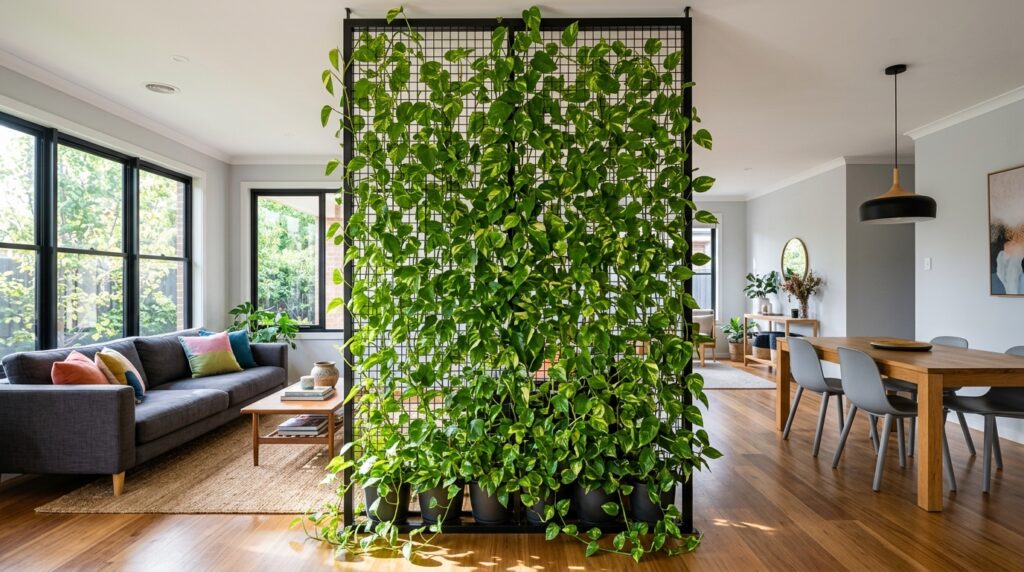
8. Devil’s Ivy Living Room Divider
Train pothos (Epipremnum aureum), also known as Devil’s Ivy, along a trellis, tension rod system, or geometric frame to create a living room divider. This fast-growing vine can be shaped to define spaces without blocking light or closing off areas completely.
Why It’s Special: Pothos is nearly indestructible and thrives in low light, making it perfect for interior spaces. NASA studies have shown it’s one of the best air-purifying plants, removing toxins like formaldehyde and benzene. The heart-shaped leaves come in varieties including golden, marble, neon, and silvery satin.
Best Placement: Between living and dining areas, to section off home offices, or to add privacy to open-plan spaces.
Care Level: Very low. Water when soil is dry. Tolerates neglect and low light remarkably well.
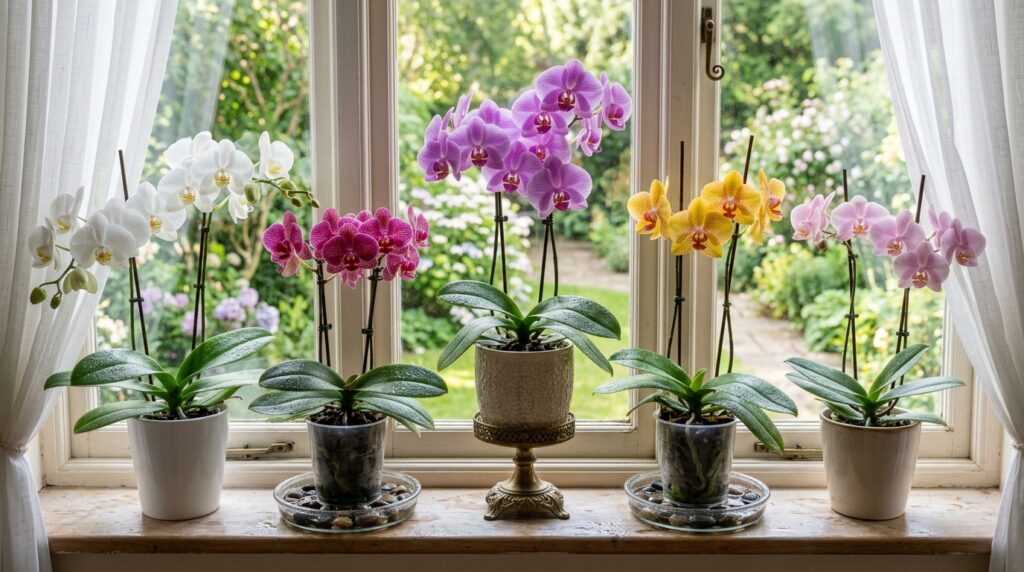
9. Orchid Windowsill Display
Create an elegant orchid collection on a dedicated windowsill with proper humidity trays and display stands. Orchids have an undeserved reputation for being difficult, but many varieties are quite forgiving when given the right conditions.
Why It’s Special: Orchids bloom for months at a time, providing long-lasting color and elegance. With over 25,000 species, there’s incredible variety in flower shapes, colors, and fragrances. Phalaenopsis (moth orchids) are perfect for beginners, while more adventurous growers can explore Cattleyas, Dendrobiums, and miniature varieties.
Best Placement: East-facing windows for gentle morning light, bathrooms with natural light (they love humidity), or any bright spot without direct afternoon sun.
Care Level: Low to medium. Water weekly, ensure good drainage, and provide bright indirect light. Many bloom repeatedly with minimal care.
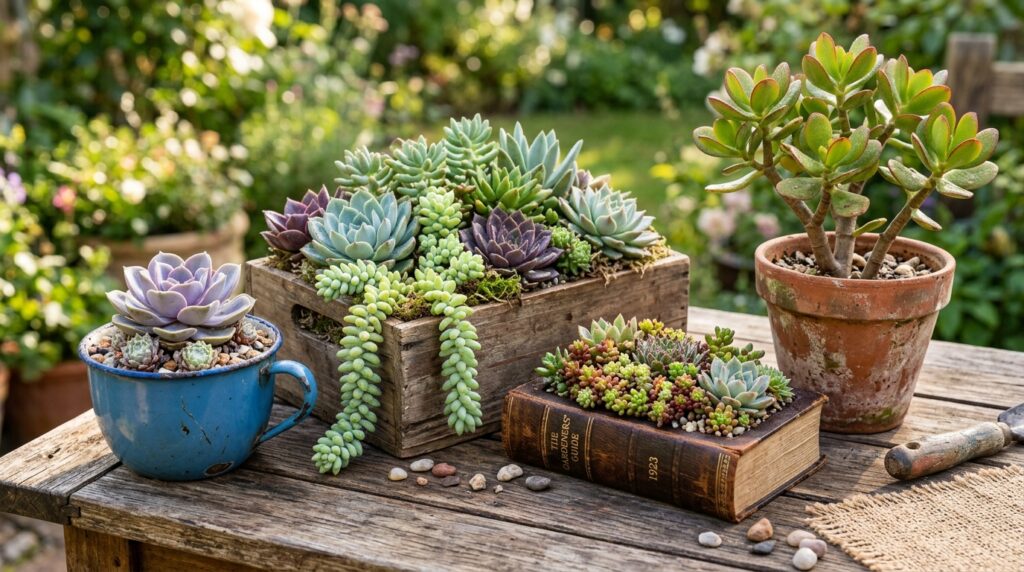
10. Succulent Garden in Vintage Containers
Transform vintage finds—teacups, wooden crates, old books, or antique planters—into charming succulent gardens. This approach combines the low-maintenance appeal of succulents with the character of repurposed items, creating unique displays that tell a story.
Why It’s Special: Succulents come in an astounding variety of shapes, colors, and textures—from geometric echeverias to trailing burro’s tail to spiky aloes. They’re drought-tolerant and perfect for beginners. Planting them in unexpected containers adds personality and makes each arrangement a one-of-a-kind piece of functional art.
Best Placement: Sunny windowsills, outdoor tables (in warm weather), office desks, or grouped on shelves for a collected look.
Care Level: Very low. Water every 2-3 weeks during growing season, less in winter. Needs bright light and well-draining soil.
Conclusion
Incorporating plants into your home isn’t just about aesthetics—it’s about creating a healthier, more connected living environment. These 10 unique plant ideas offer something for every skill level, space constraint, and design preference. Whether you’re drawn to the architectural drama of a staghorn fern, the meditative practice of bonsai, or the effortless style of trailing pothos, there’s a perfect plant waiting to transform your space.
Start with one idea that speaks to you, and watch as your home becomes a more vibrant, peaceful, and inspiring place to live. Happy planting!