
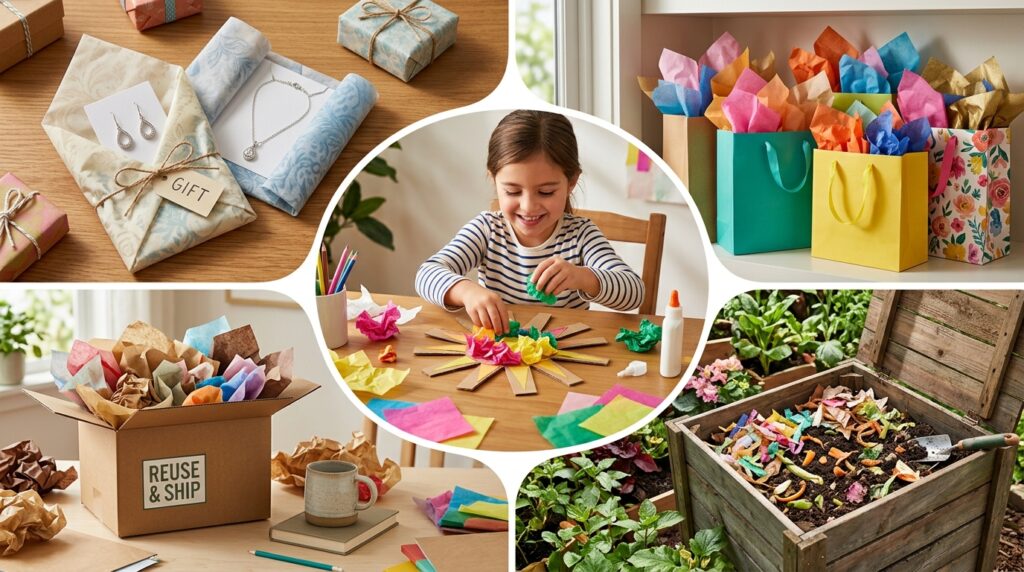

We’ve all been there—after unwrapping beautiful gifts at birthdays, holidays, or special celebrations, we’re left with piles of colorful tissue paper. While it might be tempting to toss it in the recycling bin (or worse, the trash), tissue paper has so much more to offer! This delicate material, often used once and discarded, can actually enjoy multiple lives in your home, garden, and creative projects.
In a world where sustainability is increasingly important, finding new uses for items we’d normally throw away isn’t just eco-friendly—it’s creative, cost-effective, and surprisingly fun. Whether you’re a crafting enthusiast, a practical organizer, or an environmental advocate, these five innovative ways to reuse tissue paper will change how you view this versatile material.
Let’s dive into some creative, practical, and earth-conscious ways to give your tissue paper a second (or third!) life.
1. Protective Wrapping for Storing Valuables and Delicate Items
Don’t underestimate tissue paper’s original purpose—protection. After the party’s over, smooth out your used tissue paper and repurpose it to safeguard your most precious belongings throughout the year.
How to Use It:
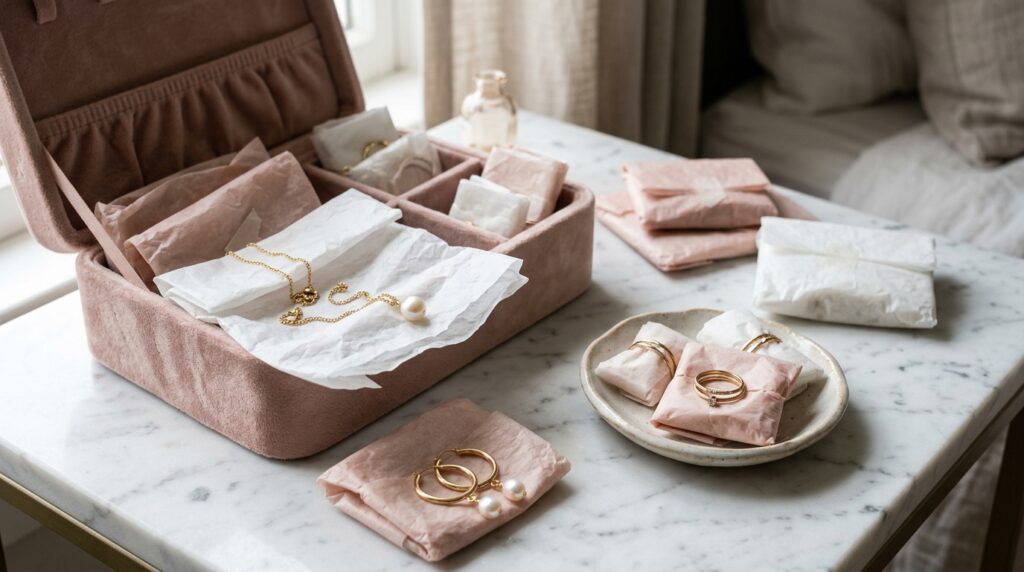
For Jewelry Storage: Wrap individual pieces of jewelry in tissue paper before storing them in boxes or drawers. This prevents tangling, scratching, and tarnishing. The soft fibers create a protective barrier between pieces, especially important for delicate chains, pearls, and pieces with gemstones.
For Holiday Ornaments: Those fragile Christmas ornaments, heirloom decorations, and sentimental keepsakes need cushioning during their months in storage. Wrap each ornament in 2-3 layers of tissue paper before placing them in storage containers. It’s gentler than bubble wrap and takes up less space.
For Glassware and China: When packing dishes for a move or storing seasonal glassware, layer tissue paper between plates and wrap individual glasses. It provides cushioning and prevents chips and scratches.
For Shoes and Handbags: Stuff tissue paper inside shoes and handbags to help them maintain their shape during storage. This prevents creasing in leather and keeps items looking fresh when you’re ready to use them again.
Pro Tips:
- Smooth out wrinkles gently with your hands—you don’t need perfectly crisp paper for storage
- White and light-colored tissue works best for this purpose to avoid any color transfer
- Store wrapped items in breathable containers rather than sealed plastic to prevent moisture buildup
2. DIY Gift Bag Filler and Creative Packaging Material
Why buy expensive gift bag filler when you already have the perfect material? Used tissue paper can be transformed into beautiful, eco-friendly packaging that looks intentional and artistic.
Creative Applications:
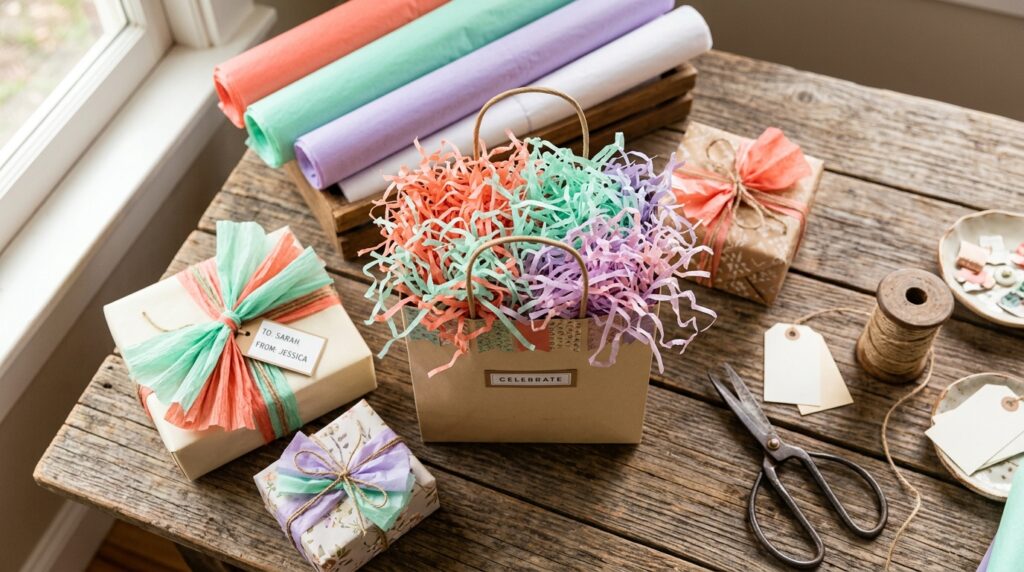
Shredded Tissue Paper Filler: Cut or tear tissue paper into strips or use a paper shredder to create colorful confetti-like filler for gift baskets and boxes. Mix colors for a festive look or stick to a color theme for elegant presentation.
Crinkled Nest Effect: Crumple tissue paper loosely and arrange it in the bottom of gift bags or boxes to create a soft “nest” for your gifts. This adds volume, visual interest, and protects the gift from shifting.
Layered Padding: Place flat or slightly crumpled sheets at the bottom of gift bags before adding presents. This elevates the gift and makes even small items look more substantial and thoughtfully presented.
Custom Gift Wrap Accents: Cut tissue paper into flowers, bows, or decorative shapes to embellish wrapped packages. Layer different colors for dimension and visual impact.
Why It Works:
Gift-giving doesn’t stop after one celebration, and neither should your tissue paper. By reusing what you already have, you’re cutting costs and reducing waste while creating beautiful presentations. Plus, the slightly lived-in texture of reused tissue adds a charming, artisanal quality that brand-new tissue sometimes lacks.
3. Arts, Crafts, and Kids’ Creative Projects
Tissue paper is a crafter’s dream material—lightweight, colorful, easy to manipulate, and perfect for countless artistic endeavors. Children and adults alike can find endless creative possibilities.
Project Ideas:
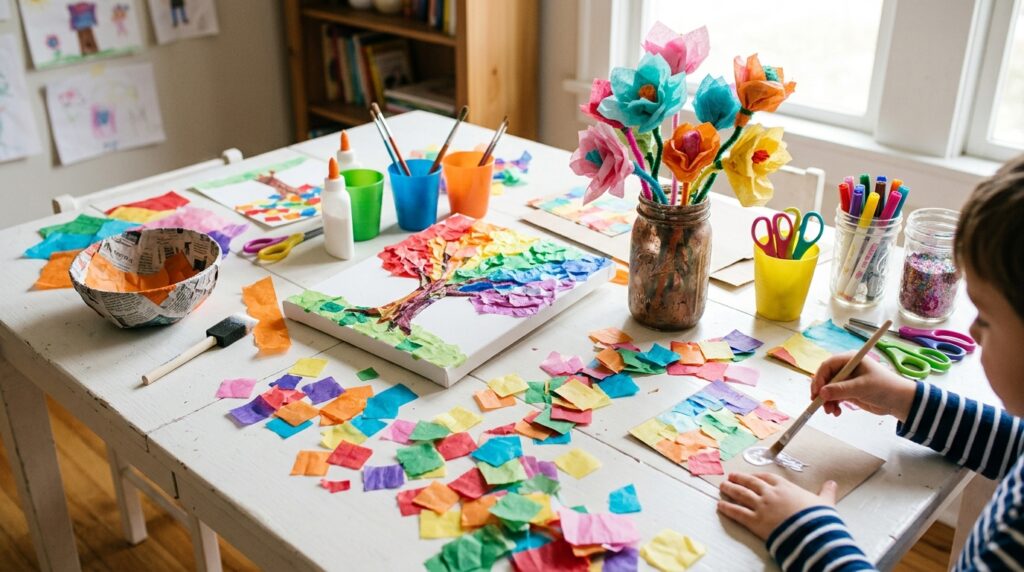
Tissue Paper Collage Art: Create stunning layered artwork by gluing tissue paper pieces onto canvas or cardboard. The translucent quality allows colors to blend and overlap beautifully. Add Mod Podge or diluted glue on top for a glossy, sealed finish.
Paper Mache Projects: Torn tissue paper works wonderfully for paper mache. It’s thin enough to mold smoothly over forms and adds vibrant color without needing paint. Perfect for masks, piñatas, bowls, and sculptures.
Stained Glass Window Effect: Cut tissue paper into shapes and adhere them to windows using diluted glue or contact paper. When sunlight shines through, it creates a beautiful stained-glass effect that’s especially magical in children’s rooms.
DIY Pom Poms and Garlands: Stack several sheets of tissue paper, accordion-fold them, tie in the center, and fan out to create fluffy pom poms for party decorations. String them together for festive garlands.
Flower Making: Twist, fold, and shape tissue paper into beautiful flowers for bouquets, gift toppers, or home décor. They never wilt and can be made in any color combination.
Kid-Friendly Projects: Tissue paper is safe, non-toxic, and perfect for children’s crafts—sensory bins, handprint art, easy collages, and color exploration activities.
Educational Value:
For families, these projects teach children about creativity, color theory, and most importantly, resourcefulness and environmental responsibility. It’s hands-on learning that doesn’t require expensive supplies.
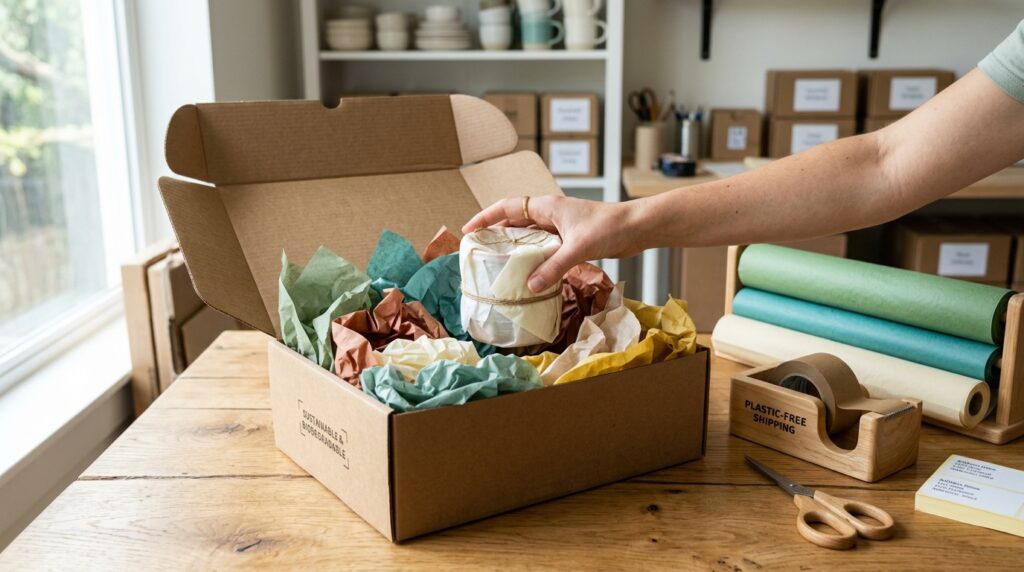
4. Eco-Friendly Packing Material for Shipping and Moving
In an era of online shopping and frequent moves, packing materials are constantly needed. Commercial bubble wrap and Styrofoam peanuts are wasteful and environmentally harmful. Enter tissue paper—your sustainable shipping solution.
How to Use It Effectively:
Void Fill: Crumple tissue paper to fill empty spaces in shipping boxes. It prevents items from shifting during transit and provides light cushioning.
Item Wrapping: Wrap individual items in multiple layers of tissue paper before boxing. For extra fragile items, combine tissue paper with other recyclables like newspaper or brown paper.
Cushioning Layers: Create cushioning layers by crumpling sheets into loose balls and placing them between items or around the edges of boxes.
Surface Protection: Wrap tissue paper around items that could scratch each other (like picture frames or dishes) to prevent surface damage during moves.
Environmental Impact:
Unlike plastic bubble wrap that takes hundreds of years to decompose, tissue paper is biodegradable and often recyclable (check local guidelines). By reusing tissue paper for packing, you’re extending its life cycle and reducing demand for new materials.
Cost Savings:
Commercial packing materials add up quickly. A roll of bubble wrap can cost $15-30, while you already have tissue paper on hand. For frequent shippers or those planning a move, this can translate to significant savings.
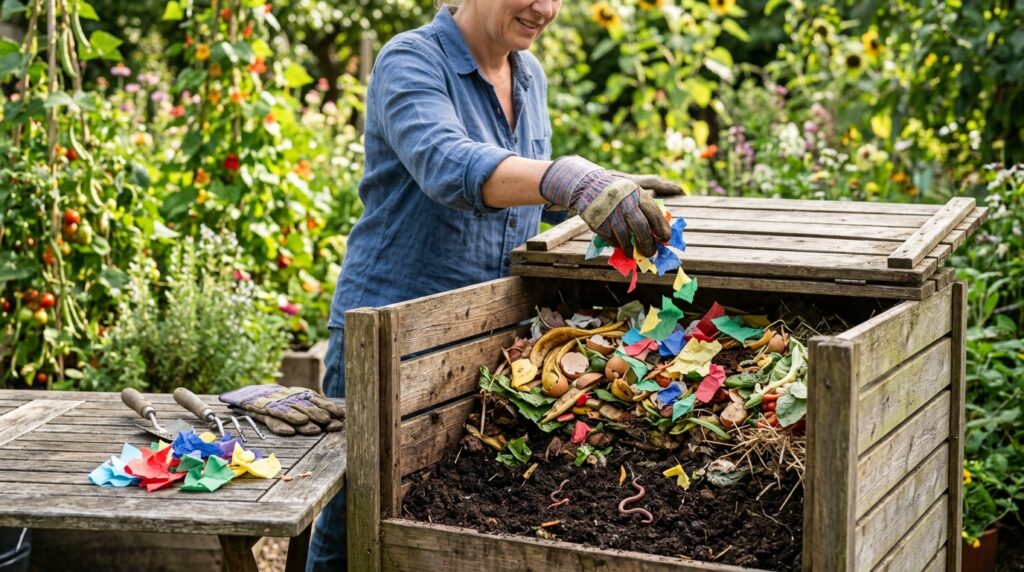
5. Composting and Gardening Applications
Here’s where tissue paper’s journey comes full circle—literally back to the earth. As a carbon-rich “brown” material, tissue paper is actually compostable and beneficial for your garden.
Composting Guidelines:
What Makes It Compostable: Plain tissue paper (without metallic finishes, glitter, or plastic coatings) is made from wood pulp and breaks down naturally. It’s considered a “brown” material in composting, providing essential carbon to balance nitrogen-rich “green” materials.
How to Prepare It: Tear or shred tissue paper into smaller pieces to speed up decomposition. Mix it with food scraps, grass clippings, and other compostable materials.
What to Avoid: Don’t compost tissue paper with heavy metallic finishes, glitter, plastic lamination, or heavy dyes (though most modern tissue paper dyes are safe). When in doubt, stick to white or lightly colored tissue.
Garden Applications Beyond Compost:
Mulch Alternative: Shredded tissue paper can be layered around plants as a temporary mulch. It helps retain moisture and suppress weeds while breaking down to enrich soil.
Seed Starter Helper: Mix small pieces of tissue paper into seed-starting soil to improve texture and water retention.
Worm Bedding: If you have a vermicomposting system (worm bin), tissue paper makes excellent bedding material. Worms love it, and it helps maintain proper moisture levels.
Environmental Benefits:
By composting tissue paper, you’re:
- Diverting waste from landfills
- Creating nutrient-rich soil amendment for your garden
- Reducing methane emissions (when organic matter decomposes in landfills without oxygen, it produces methane, a potent greenhouse gas)
- Completing a natural cycle from tree to paper to soil to new plant growth
Getting Started:
If you don’t have a compost bin yet, composting tissue paper is a great reason to start. Even a small apartment-friendly system can handle tissue paper along with coffee grounds and fruit scraps.
Bonus Tips for Maximizing Tissue Paper Reuse
Storage and Organization:
- Keep a dedicated box or drawer for tissue paper you plan to reuse
- Sort by color for easier selection later
- Smooth out pieces and store flat to prevent excessive wrinkling
- Remove any tape or stickers before storing
Quality Assessment:
Not all tissue paper is created equal for reuse:
- Best for multiple uses: High-quality, thicker tissue paper
- Good for most purposes: Standard tissue paper with minor creases
- Best for composting: Torn, heavily wrinkled, or stained tissue paper
When to Let Go:
Tissue paper with excessive tape residue, heavy soil or stains, metallic coating, or plastic elements should be properly disposed of according to local guidelines rather than reused.
The Environmental Impact: Why Reusing Matters
Every sheet of tissue paper reused is one less sheet that needs to be manufactured. Paper production requires:
- Trees (or recycled paper pulp)
- Water (thousands of gallons per ton of paper)
- Energy (for processing and transportation)
- Chemicals (for bleaching and processing)
By extending tissue paper’s life through reuse, you’re reducing demand for these resources. If every household reused tissue paper just twice before disposal, the collective environmental impact would be substantial.
Conclusion: Small Changes, Big Impact
Reusing tissue paper might seem like a small act, but it’s part of a larger mindset shift toward conscious consumption and creative resourcefulness. Whether you’re protecting treasured keepsakes, inspiring children’s creativity, shipping gifts sustainably, or nourishing your garden, tissue paper proves that waste is often just a resource in the wrong place.
The next time you’re cleaning up after a celebration, think twice before tossing that colorful pile. Smooth it out, fold it away, and know that its journey is far from over. From protecting your valuables to returning nutrients to the earth, tissue paper’s potential extends far beyond its first use.
Start small—pick one method that resonates with you and try it after your next gift-giving occasion. You’ll be surprised how quickly reusing tissue paper becomes second nature, and how satisfying it feels to give this simple material multiple meaningful lives.
What will you do with your tissue paper? The possibilities are as colorful and varied as the paper itself!